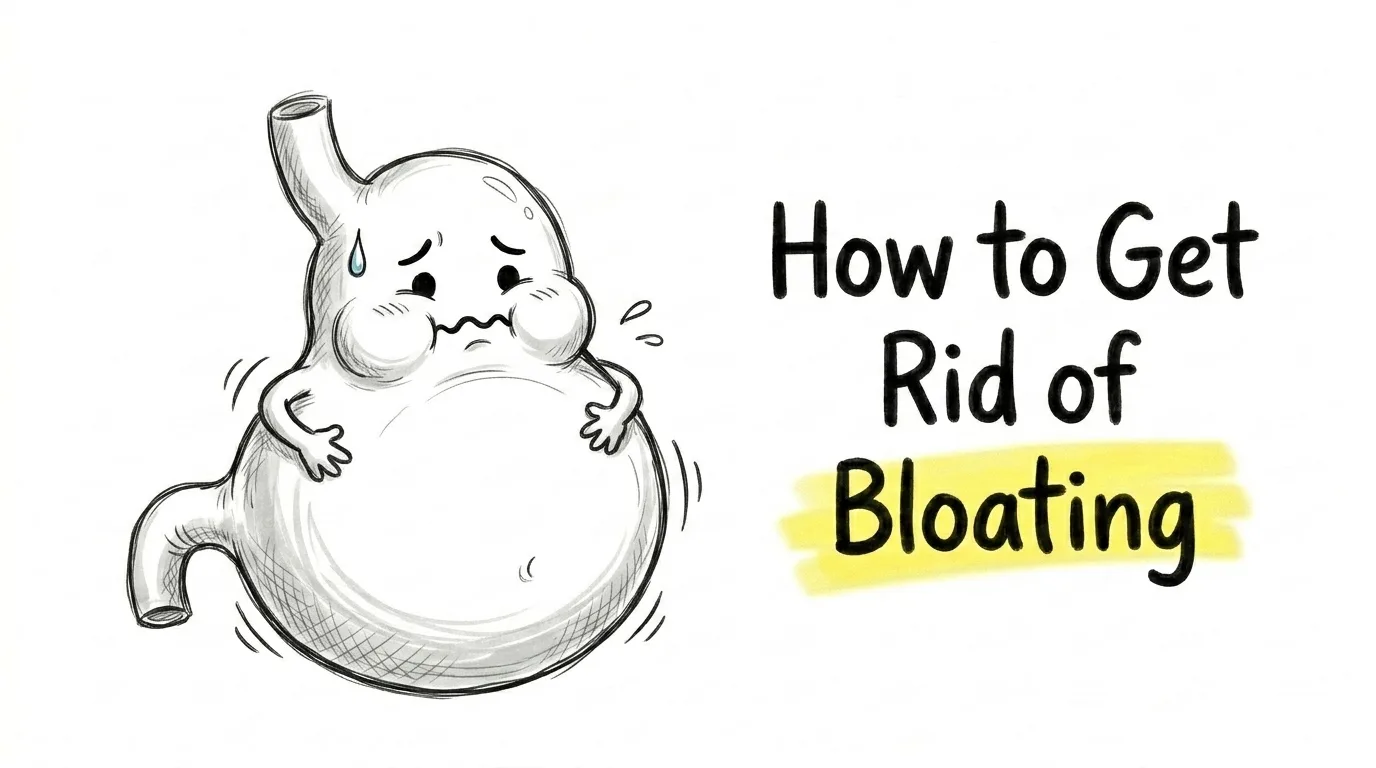
You ate a normal lunch, and an hour later your stomach feels like a balloon. Your waistband is tighter and you suddenly feel sluggish. That's bloating, and just about everyone deals with it. Most of the time it's harmless and passes on its own, but sometimes it doesn't, so it helps to know what's going on down there and what actually makes it better.
What bloating actually is
Most bloating comes down to one thing: gas building up in your gut. Some of that gas is air you swallow without noticing while you eat and drink (yes, swallowing air makes a difference). The rest comes from your gut microbes, the trillions of bacteria living in your large intestine, which make gas as a byproduct when they break down the fiber and other carbs you eat. (Those same microbes do a lot for you, which is its own story.) Gas takes up space, so when enough of it collects at once, your belly feels stretched and full.
Two other things can leave you puffy. When food and waste move through you slowly, like when you're constipated, gas backs up behind it. And very salty meals make your body hold on to extra water, which adds to that heavy, swollen feeling.
Why are you bloated?
A handful of everyday things cause most of it:
- Swallowing air. Eating fast, fizzy drinks, chewing gum, and drinking through a straw all send extra air into your gut.
- Certain foods. Beans, lentils, onions, cabbage, and brussels sprouts are common ones. They're good for you, they just make more gas as your microbes break them down.
- Dairy, if you're lactose intolerant. If milk, cheese, or ice cream reliably bloat you within an hour or two, that could be why.
- Too much salt. Very salty and heavily processed food makes you hold water.
- Constipation. Things back up, gas builds behind it, and you feel it.
- Your period. Lots of people bloat in the days around their period from normal hormone shifts.
- Big meals. A lot of food at once stretches your stomach and takes longer to work through.
A lot of those foods have something in common: they're high in a group of carbs called FODMAPs (short for fermentable oligosaccharides, disaccharides, monosaccharides, and polyols), which ferment in your gut and trigger bloating in some people. FODMAPs show up in more foods than you'd guess: wheat and rye, onions and garlic, beans, milk, fruits like apples, pears, and watermelon, and the sugar alcohols in sugar-free gum and mints, like sorbitol. You don't need to cut all of these. Most people react to only a few, so the useful move is noticing which ones set you off.
How do you get rid of bloating fast?
When you're bloated right now, a few things help:
- Move. A short walk is the simplest fix, because activity helps trapped gas work its way through instead of sitting there.
- Drink water. It sounds backwards, but water keeps things moving, especially when constipation is part of the problem.
- Ease off what's adding air. Put down the gum and the fizzy drink for now.
- Give it time. Everyday bloating passes once your gut works through the meal. It usually does on its own.
You'll also see products that promise to fix bloating, like antacids and charcoal pills. But for the everyday, after-a-meal kind of bloating, most people don't need any of them. Just move around a bit and wait it out.
How do you stop it from coming back?
- Eat slower and stop before you're stuffed. This is the big one, because it cuts both the air you swallow and the overfull feeling.
- Go easy on fizzy drinks, gum, and straws if you bloat a lot.
- Add fiber gradually. Fiber is good for you, but jumping from very little to a lot overnight can make gas worse for a while. Build up slowly and drink water with it.
- Move most days. Regular activity keeps your digestion moving, which means less backup.
- Cut back on very salty, processed food if you tend to feel puffy.
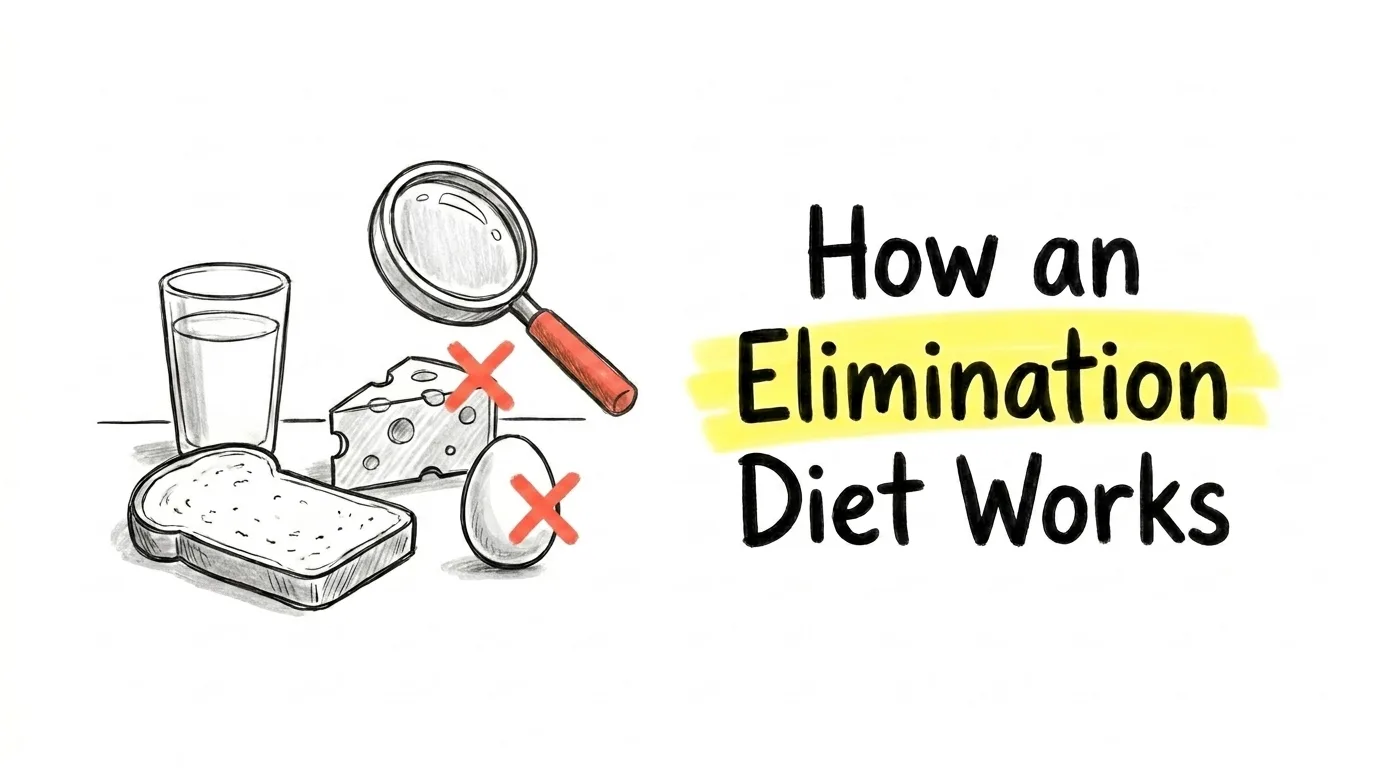
- Find your triggers. If one food gets you every time, jot it down for a week or two and look for the pattern (doctors call this an elimination diet). Avoiding one or two foods is easier than overhauling everything.
When is bloating worth seeing a doctor?
Almost all bloating is harmless. Sometimes it points to something that needs a real look, so tell a parent or another adult you trust, and see a doctor, if bloating comes with any of these:
- It doesn't go away after a week or two, or it keeps coming back no matter what you change
- You're losing weight without trying
- There's blood in your poop, or your stool looks black and tarry
- The pain is severe, or it won't let up
- It comes with a fever, vomiting, or heartburn that's getting worse
None of these mean something is definitely wrong. You might be perfectly fine (in most cases, you are). But it's worth getting it checked if you have your doubts, so you know for sure instead of guessing.
The takeaway
Bloating is one of the most common things your gut does, and almost always it's just your body working through a meal. Eat a little slower, move after you eat, drink enough water, and pay attention to the foods that set you off. If it sticks around for weeks or shows up with any of the warning signs, get it checked. The rest of the time, you can treat it for what it usually is: normal and temporary.
Sources

.svg)
.webp)
.webp)



.webp)


.webp)
.webp)